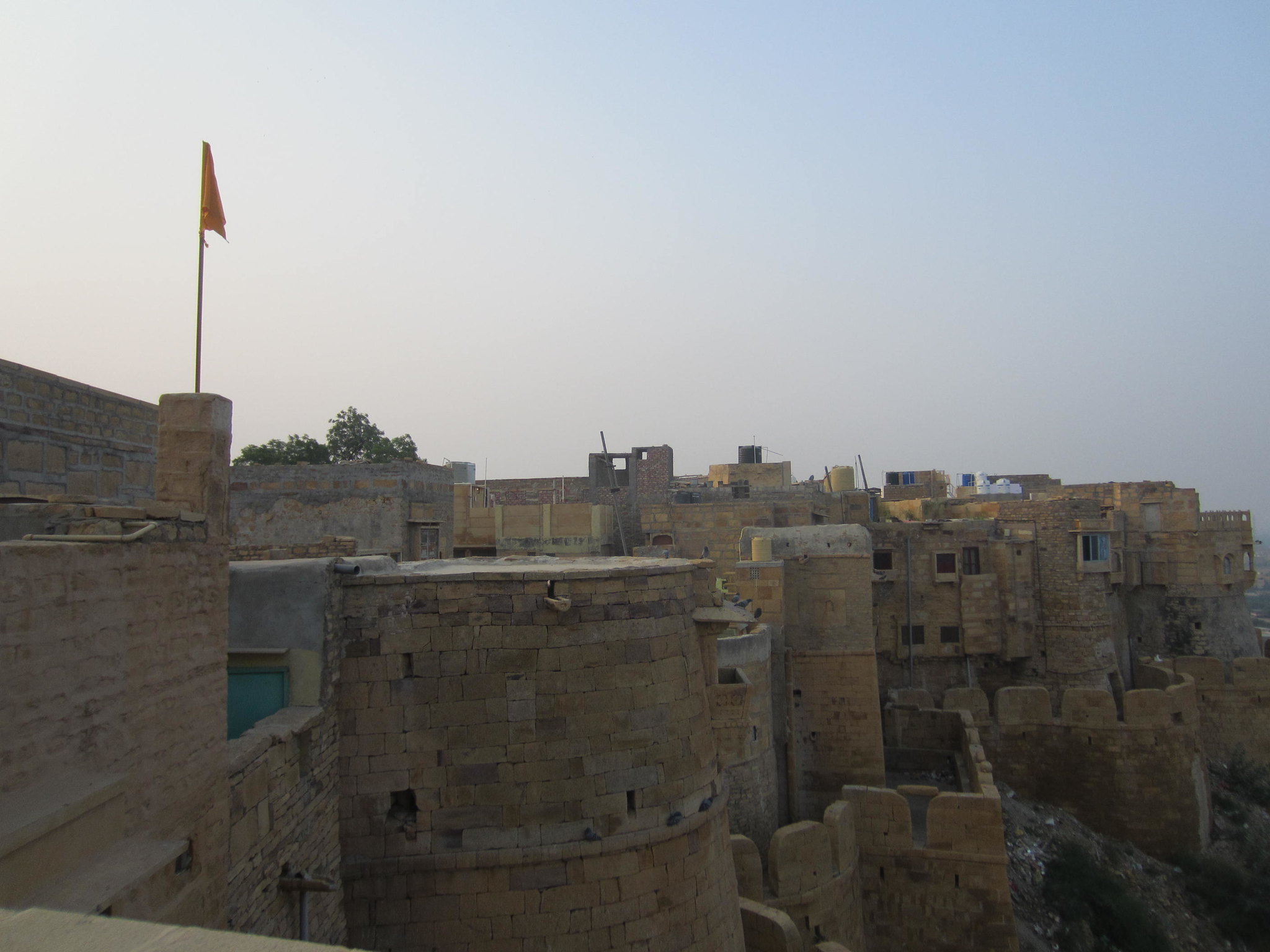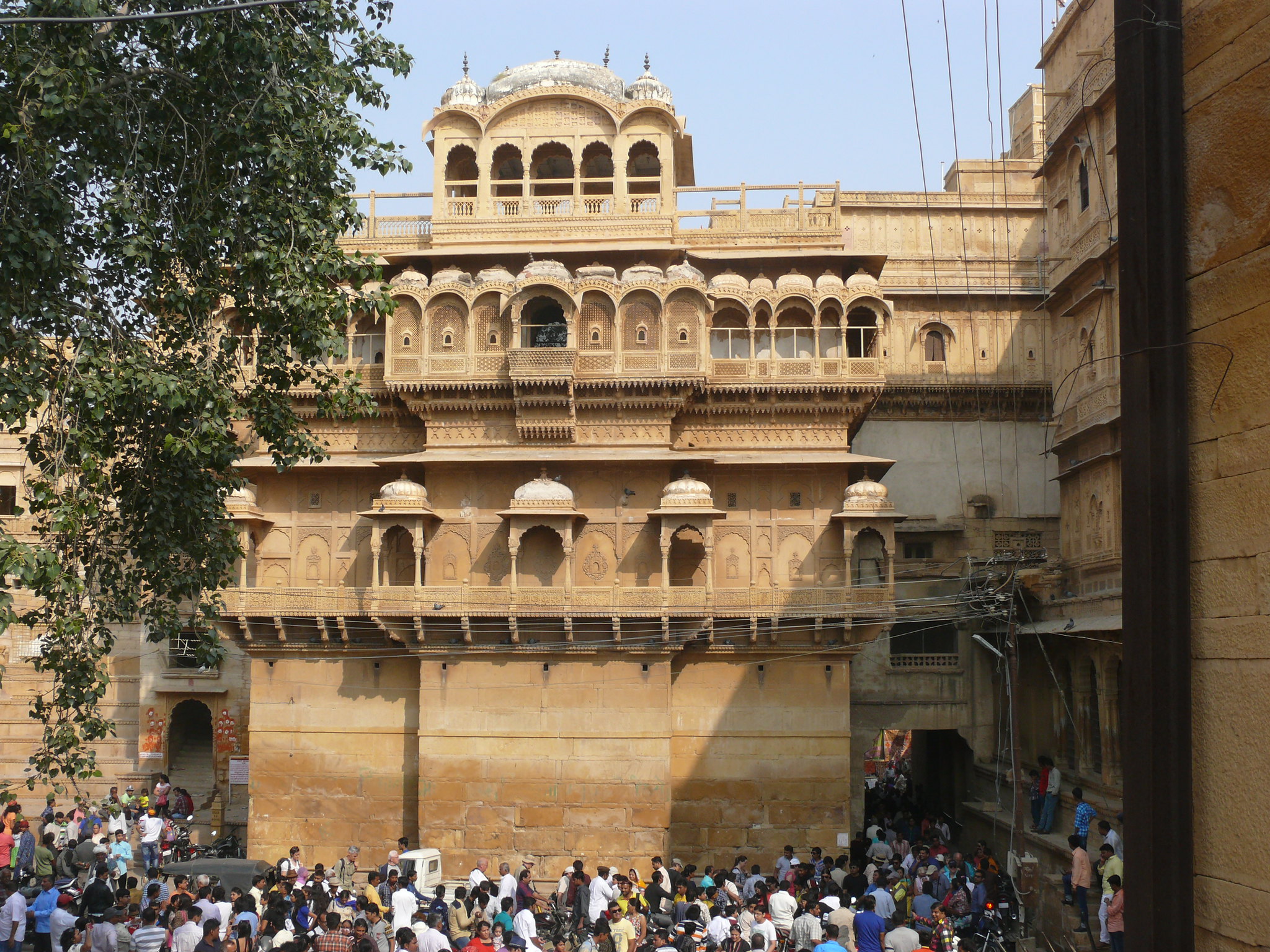
I have to admit that when I agreed to go to Jaisalmer for Diwali I had no idea what I was going to see there. I had heard from several people that it was well worth the time to visit. I knew there was a fort but that was about it. In my mind I was picturing another empty fort that had been restored and I could explore, wandering into each corner as I desired. I was not at all prepared for the vibrant, busy, packed living fort that Jaisalmer was. A fort that is not a cleaned up preserved historical site, but a glimpse at what it might have been like originally - intricate details on buildings, shops on the ground floor, apartments above. A main square where people still gather and talk. Animals that roam the streets, causing people to scurry out of the way. Canons overlooking the walls, aimed at whatever comes out of the desert. Jaisalmer has a living, breathing fort.
Sunday, November 29, 2015
Jaisalmer Fort
I have to admit that when I agreed to go to Jaisalmer for Diwali I had no idea what I was going to see there. I had heard from several people that it was well worth the time to visit. I knew there was a fort but that was about it. In my mind I was picturing another empty fort that had been restored and I could explore, wandering into each corner as I desired. I was not at all prepared for the vibrant, busy, packed living fort that Jaisalmer was. A fort that is not a cleaned up preserved historical site, but a glimpse at what it might have been like originally - intricate details on buildings, shops on the ground floor, apartments above. A main square where people still gather and talk. Animals that roam the streets, causing people to scurry out of the way. Canons overlooking the walls, aimed at whatever comes out of the desert. Jaisalmer has a living, breathing fort.
Location:
India
Sunday, November 22, 2015
Diwali in Jaisalmer
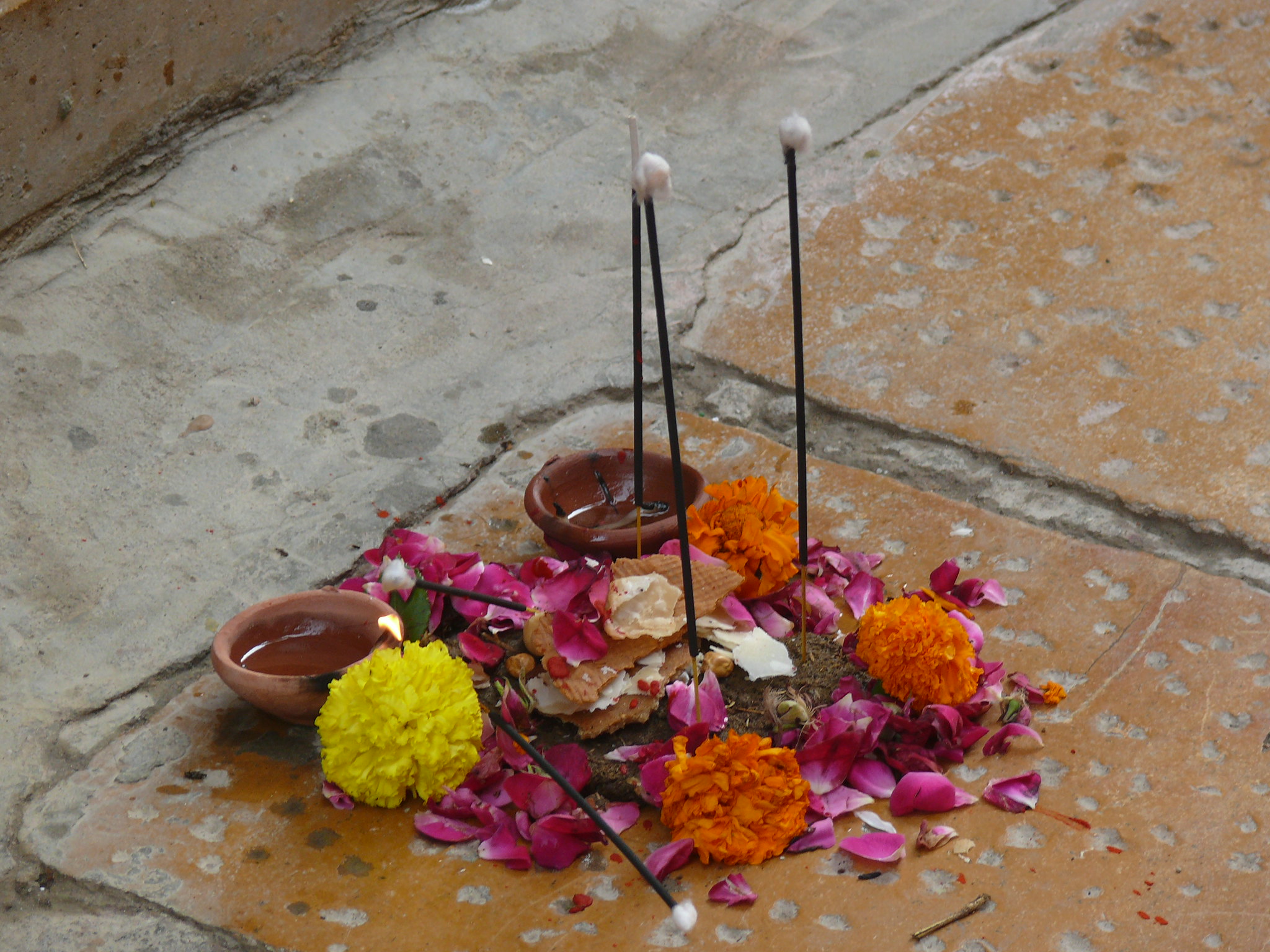
I took the opportunity of five days off to head to Jaisalmer for the Diwali break. I realized (after a couple of nights of disturbed sleep due to the load bursts of fireworks going off in the middle of the city streets, echoing from the city walls) that this was the first time I had actually spent Diwali in a city that was celebrating it. Usually I head to someplace where I can escape. It was neat though, to see the small traditions that go along with the holiday, and get beyond the overwhelming noise of fireworks that accompany it as well. To see women setting out small oil lamps on their steps to light the night and drive away the darkness of evil spirits. The brightly colored rangoli welcoming the Goddess Lakshmi into homes. The the next morning when I went out early, watching the women carefully shaping mud into designs in front of their doorsteps, adding an incense stick, some rice, flowers or other items to show their wishes for the coming year. Then later, admiring the fancy dress as people took the day to visit their families. Yes, Jaisalmer got a bit crowded with Indian tourists for the holiday, but I am glad that I had the opportunity to see some of the small traditions that accompany the five days celebration.
Sunday, September 27, 2015
Viewing the Matrimandir
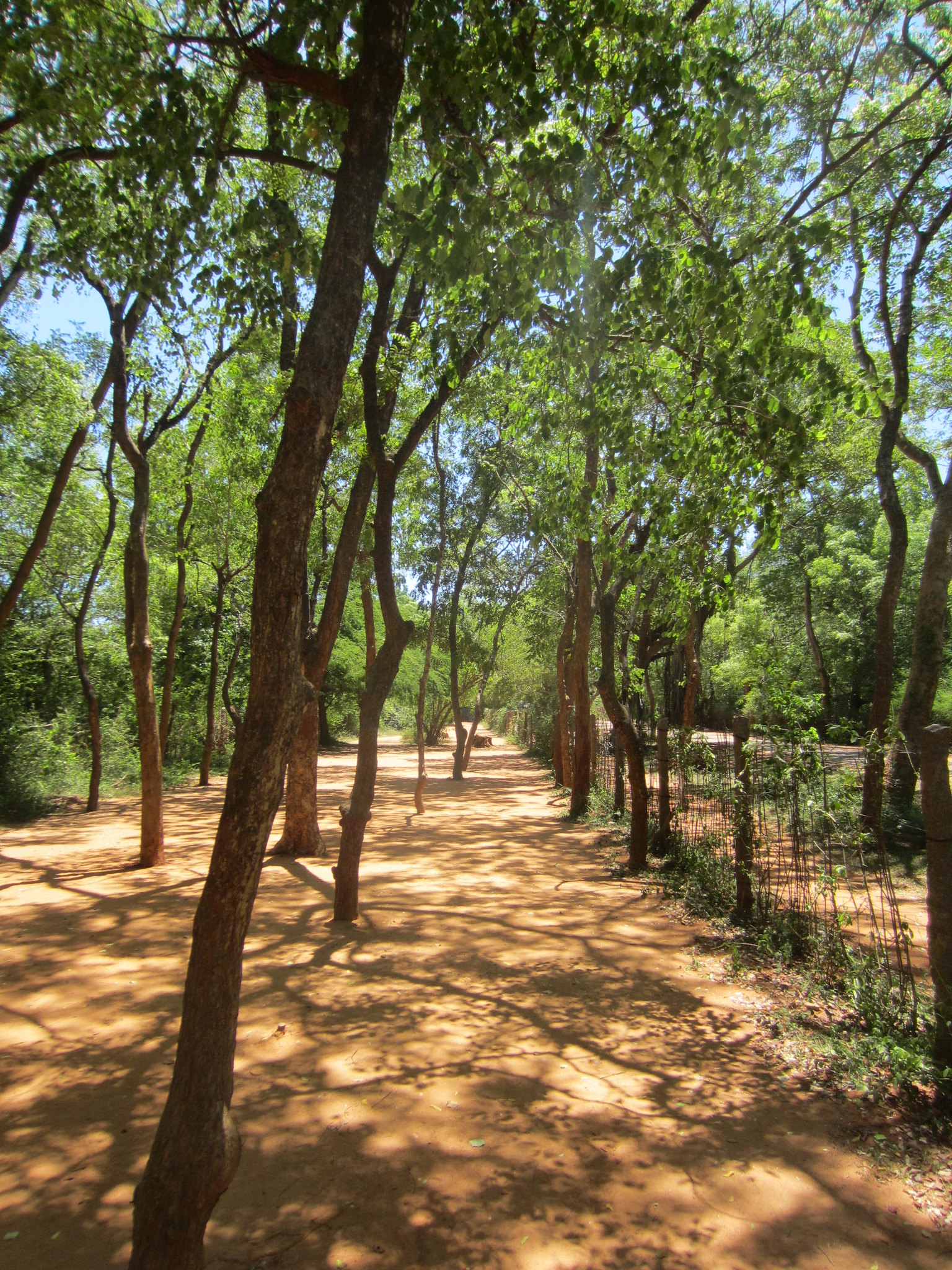
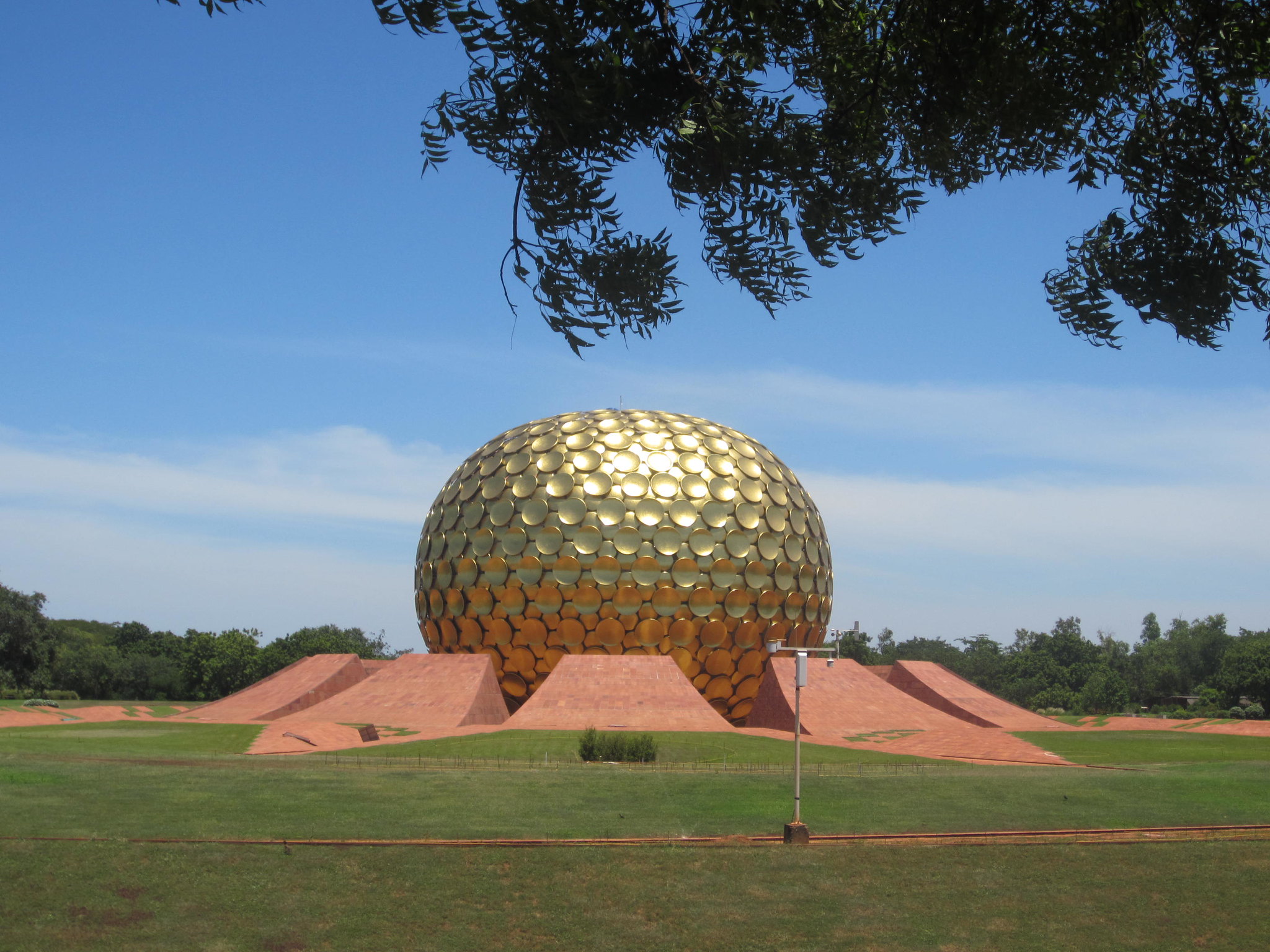
While staying in Pondicherry we took a half day to go out to the town of Auroville, an intentional living community which is focused on developing human unity. According to the website "Auroville is recognised as the first and only internationally endorsed ongoing experiment in human unity and transformation of consciousness, also concerned with - and practically researching into - sustainable living and the future cultural, environmental, social and spiritual needs of mankind." A living community that is founded on the beliefs of the Mother, influenced by Sri Aurobindo's philosophy.
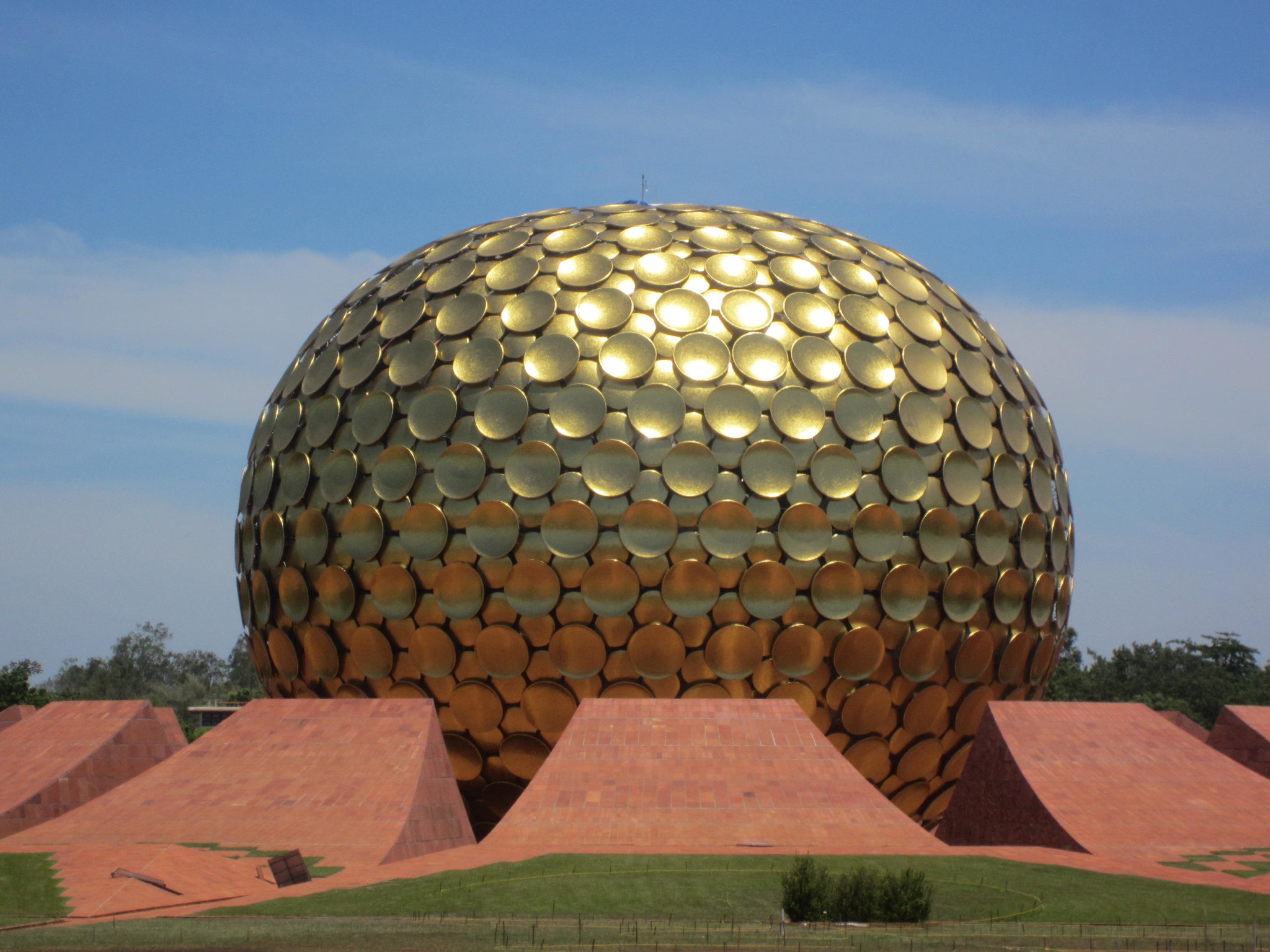
For people visiting Auroville on a day trip the highlight is the walk out to the center of the community to overlook the Matrimandir. Before being allowed to walk out you are required to watch a 10 minute video which outlines some of the beliefs that are encapsulated by this community and by the Matrimandir in particular. As a focal point for meditation, containing a large man made crystal ball in its center and meditation rooms around the outside, it is a space for those who are willing to renounce all religions to take the time to connect to the diving consciousness.
In the words of the Mother:
"The Matrimandir represents the Divine Consciousness. All that is not said, but that is the way it is."
"Matrimandir is here to teach people that it is not by escaping from the world while ignoring it, that they will realise the Divine in life. Matrimandir must be the symbol of this Truth. I don't want it to be made into a religion; with all my force I refuse. We don't want dogmas, principles, ritual, absolutely not, absolutely not."
As a day visitor we only reached a point where we could overlook the impressive spherical structure that is modeled after a lotus in bloom. Taking in the sense of focus and peace that it contributes to the community while appreciating the unique architecture of the Matrimandir.
Sunday, September 20, 2015
Relaxing in Pondicherry
There isn't a whole lot to do in Pondicherry, rather it is one of the places that you just go to relax. Maybe take a stroll along the Promenade Beach. Check out some of the crumbling French architecture. Rest in a restored colonial building turned into a luxury hotel. Eat some amazing seafood. Rest. Read. Relax. Exactly what I needed for the weekend.
Tuesday, May 5, 2015
Why did the cow cross the road?
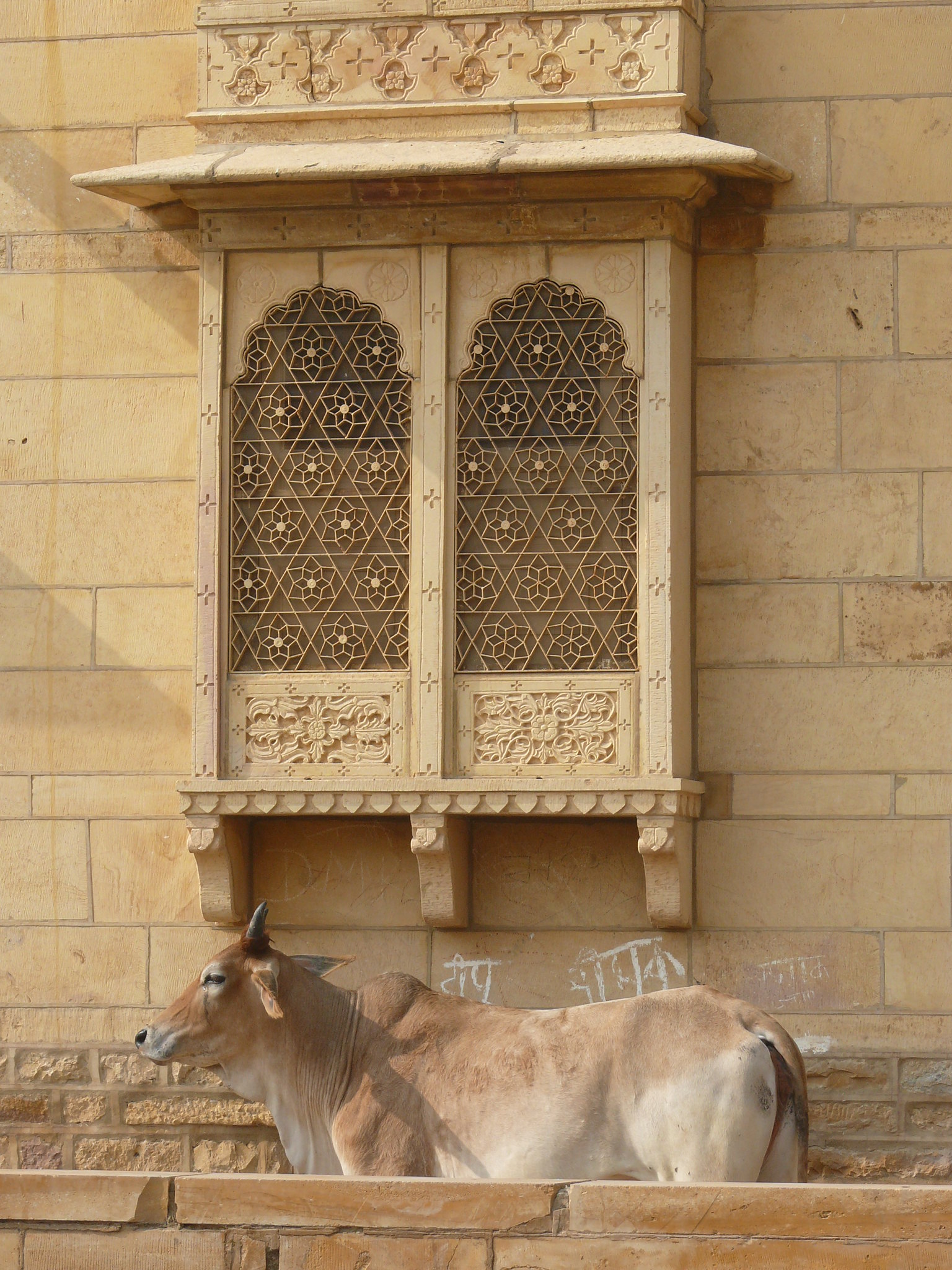
Sometimes I think the joke here should be "Why did the cow cross the road?" Possibly the best answer would be "to stop traffic." Other possibilities include:
because it could
to get to the garbage pile
to add an obstacle to the road
because it thought someone had food for it
because there is less traffic in the middle
because it was time to wander home
all the other cows were going there
to test driver's reactions
It believed in free range grazing
I wonder how many others I could come up with?
Saturday, April 18, 2015
A daily activity in Thimphu
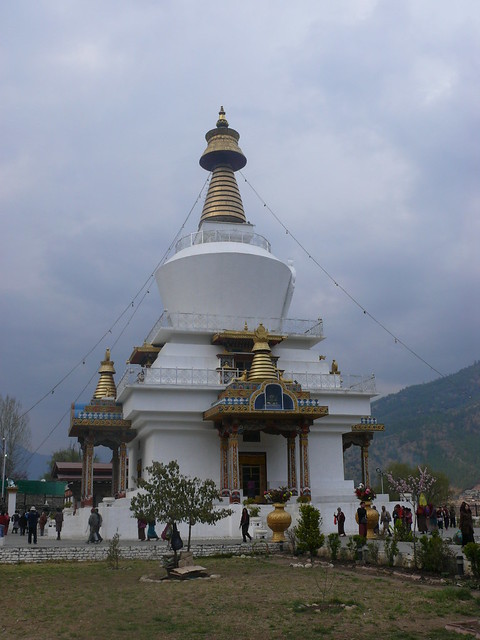
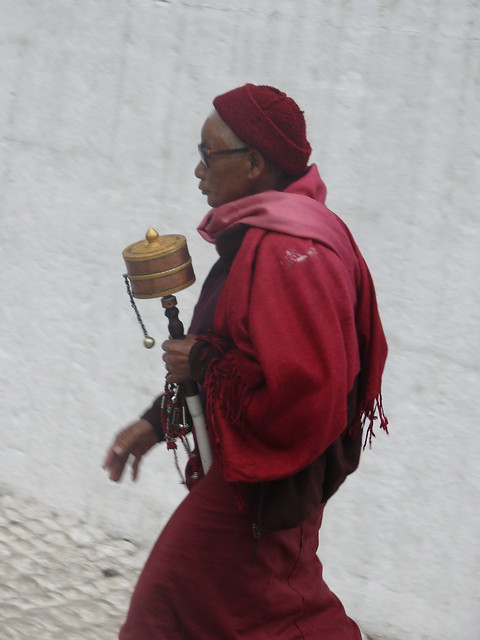
Mom and I headed to Bhutan for spring break, and since I just got done sorting through the 1,000+ photos I took in a week, I'm not quite up to writing fully about it. So I thought that you might enjoy a look at what is a daily activity for many people in Thimphu: walking around the National Memorial Chorten (at least three times). I'm not going to say the video is good, it's a bit rough as I was walking and trying to be unobtrusive, but I think it will give you a sense of why mom and I found this a relaxing yet intriguing location to get out and move. So much so that we visited every day we were in the capital.
If the video doesn't load you can see it here.
The National Memorial Chorten was built in 1974 to honor the third king and is the location where many locals will stop on their way to or from work and school in order to take a few rounds of walking and prayers. Some of the older men and women spend the majority of the day there, socializing between their prayers. Little kids jump and run, never straying far from their parents. The giant prayer wheels are constantly being spun, either by people walking around them or by someone who had decided to sit close by and ensure it continues to send prayers into the universe. For such a bustling and active location it is surprisingly peaceful. I can see why it is a daily practice to walk there for many people.
Sunday, April 12, 2015
The Living Root Bridges of Meghalaya
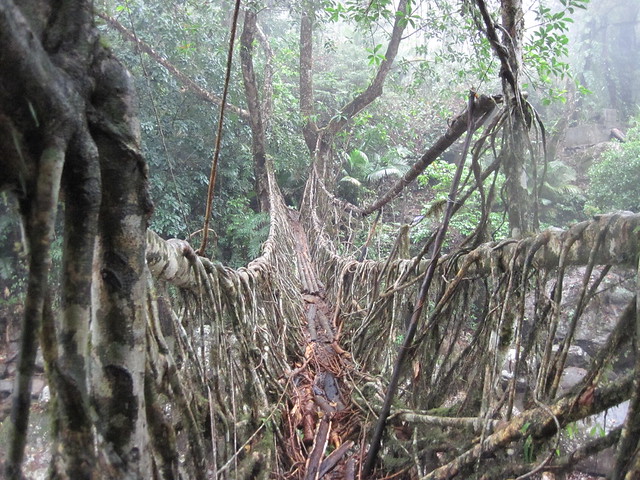
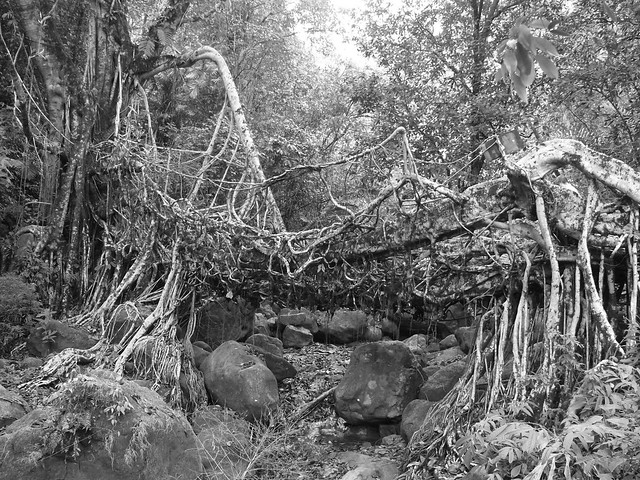
Last weekend mom and I went off to northeast India to discover the living root bridges for ourselves. A four day trip that may quite possibly be the highlight of my year. In the rainiest area of the world, you have some unique challenges - including how to cross rivers when any supplies you need must be carried in a bag, strap resting on your forehead, as you head down thousands of rock stairs. Needless to say, it is not an easy task. The locals have culitvated a tradition of guiding the roots of certain trees to form bridges; a task that can take several generations to accomplish, but which will last for centuries. This living architecture is what we went to see. In addition to hiking down slick, moss coated rock steps for hours amist the rain forest, an unusual experience for me in India, there were the bridges themselves to amaze me. Up to 95 feet long, each one seemed to have its own unique character. One village has even cultivated a doubledecker bridge. Another is the world's longest. This one, sees to sit in the middle of nowhere, but as we rest at the base we see 5-6 people crossing it on their commute to collect beetle nut or work their fields. The living root bridges really are a unique vision.
Check out this video if you want a bit more information.
Labels:
architecture,
Cheerapunjee,
Cheerapunji,
india,
Living Root Bridges,
Meghalaya,
tourism,
travel
Location:
India
Subscribe to:
Posts (Atom)